During the First World War, on the Macedonian Front, the German army had about 30,000 soldiers and officers, some of whom died and were buried in various locations. After the war, the German state showed interest in collecting the remains of their soldiers and burying them in a common grave or memorial ossuary, the form of which was to be based on the cult traditions of German history.


According to preserved archival documents, in May 1930 the German government requested land in Bitola, intended for a memorial ossuary for the dead German soldiers who died in Bitola and the surrounding area during the First World War.
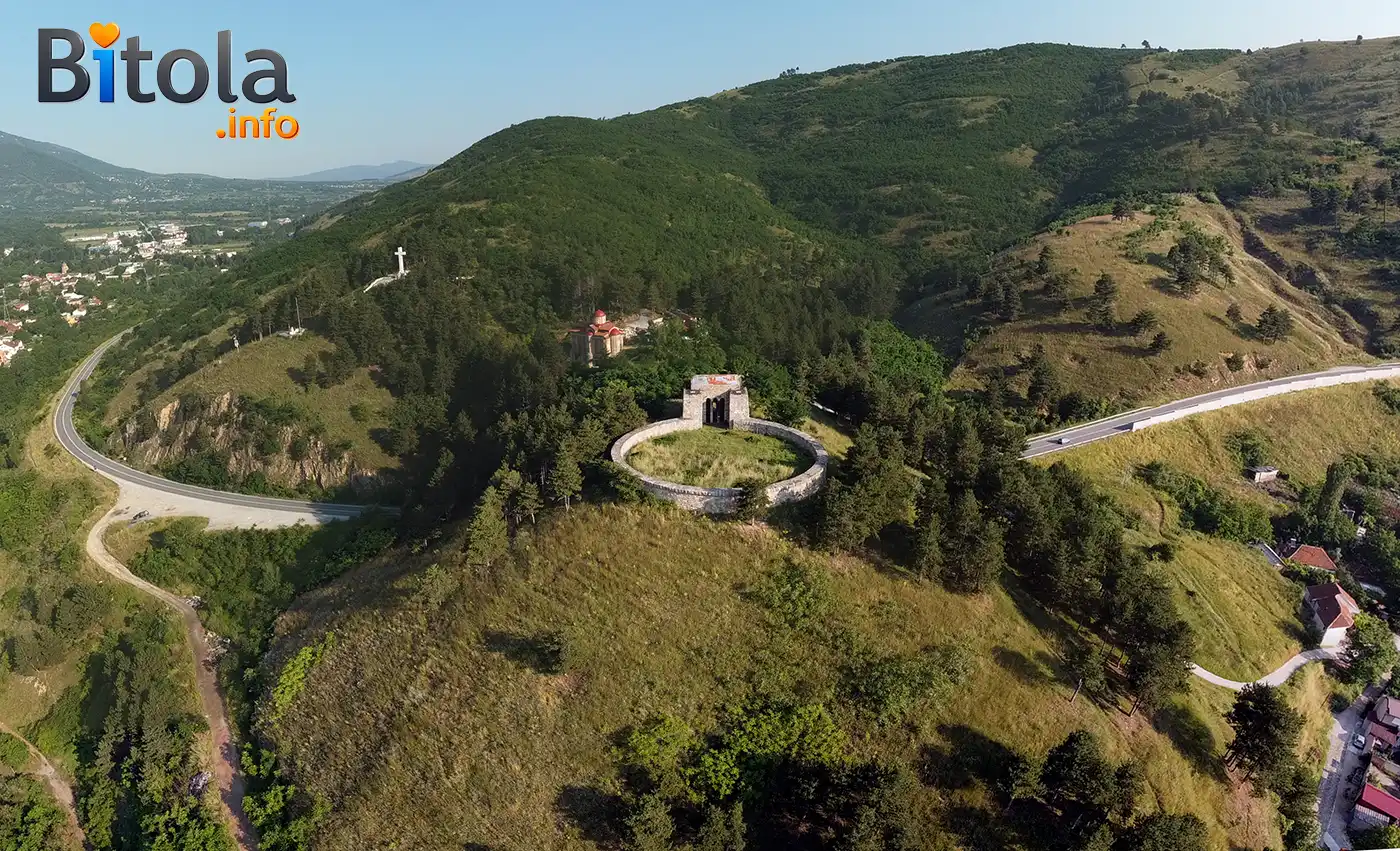
The German military cemetery in Bitola was built on a hill at an altitude of 1050 meters in the northwestern part of Bitola.
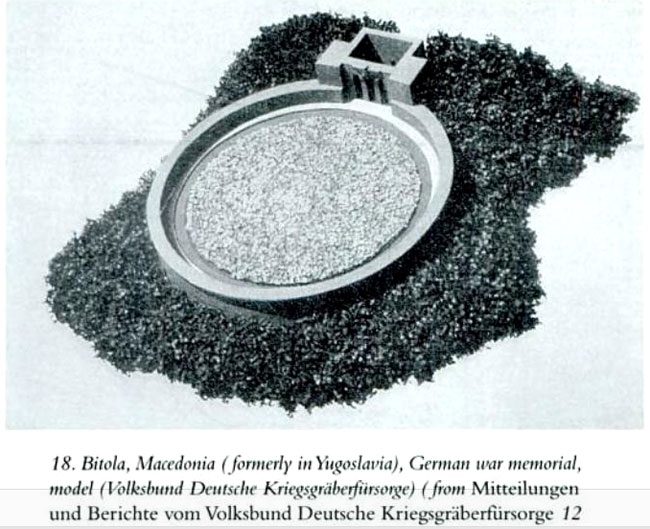
The cemetery is known by various names: Totenborg (City of the Dead), the German fortress of the dead in Bitola, the German honorary monument in Bitola, while among the citizens the most commonly used term is “German cemetery”.
Totenborg was built in more than a year and is the architectural work of the famous German architect Robert Tischler. The construction was under the direct supervision of the German People’s Union for the Care of War Cemeteries.
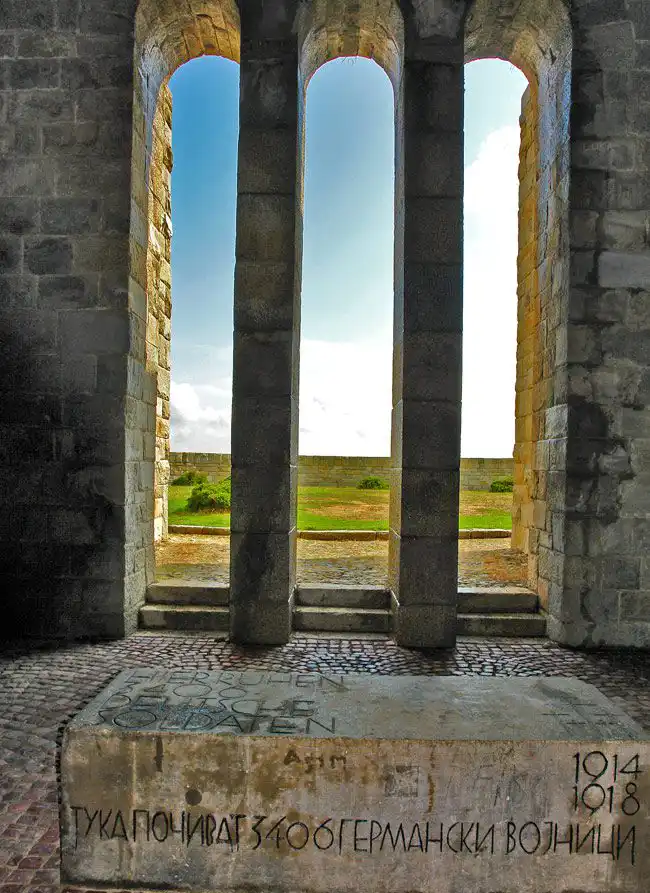
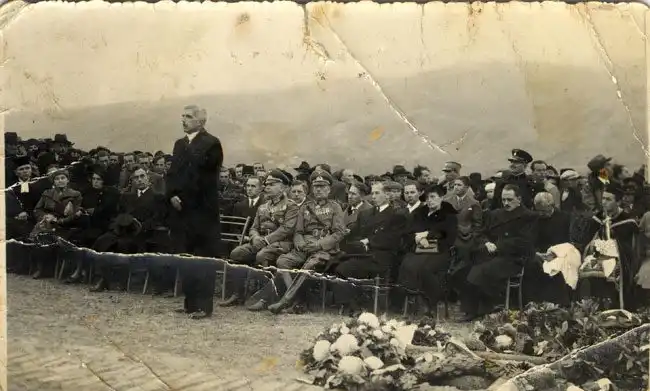
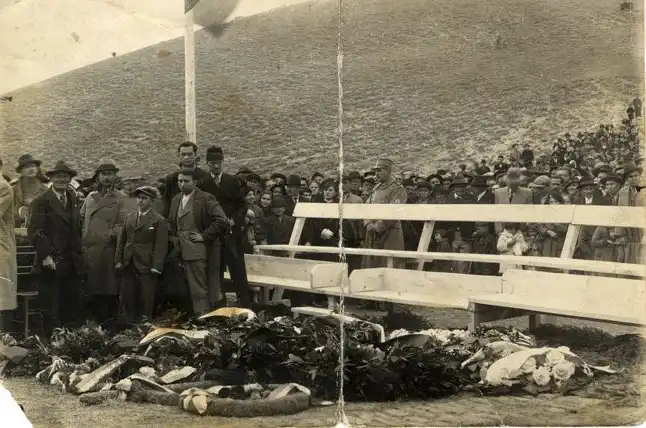
The description and model of the Totenborg were first published in the “Neue Baupläne des Volksbundes”, 83-85., which clearly confirms the authorship of the architect Robert Tischler and the date of the start of the planning (1929/30). Construction activities began in 1934, and the inauguration took place on October 25, 1936. After the Totenborg was built, the sarcophagus was brought and placed in the middle of the commemorative hall.
According to the memories of the citizens of Bitola, it was written in German: “3406 German soldiers rest here”.