Discover the breathtaking beauty of Pelister National Park, one of Macedonia’s most remarkable natural treasures. Located near Bitola, in the heart of the Baba Mountain range, Pelister is a destination where majestic mountain peaks, ancient forests, crystal-clear glacial lakes and rich cultural heritage come together to create an unforgettable travel experience.
Contents
- Explore the Famous Molika Pine Forests
- Visit the Magical Pelister Eyes
- Hiking, Trekking and Mountaineering
- Enjoy the Beauty of Pelister’s Meadows
- Discover Pelister’s History and Cultural Heritage
- Explore the Villages and Local Way of Life
- Winter on Pelister: Skiing, Freeride and Mountain Scenery
- Nature Photography, Birdwatching and Wildlife Observation
- Relaxation, Wellness and Time in Nature
- Family-Friendly Excursions and Educational Tourism
- The Best Time to Visit Pelister
- Responsible Tourism: Protecting Pelister for the Future
- Experience the Spirit of Pelister
- Pelister National Park Information Centre
Established in 1948, Pelister is one of the oldest national parks in Macedonia. Covering approximately 17,150 hectares, the park stretches from 927 to 2,601 metres above sea level, offering an extraordinary variety of landscapes, outdoor adventures and opportunities to reconnect with nature.
Administratively, the area of the national park belongs to the municipalities of Bitola and Resen and within its borders there is only one settlement – the village of Malovishte.
Whether you are an experienced mountaineer, a nature photographer, a family looking for a peaceful day outdoors, a history enthusiast or a traveller seeking authentic local experiences, Pelister has something special to offer.




Explore the Famous Molika Pine Forests
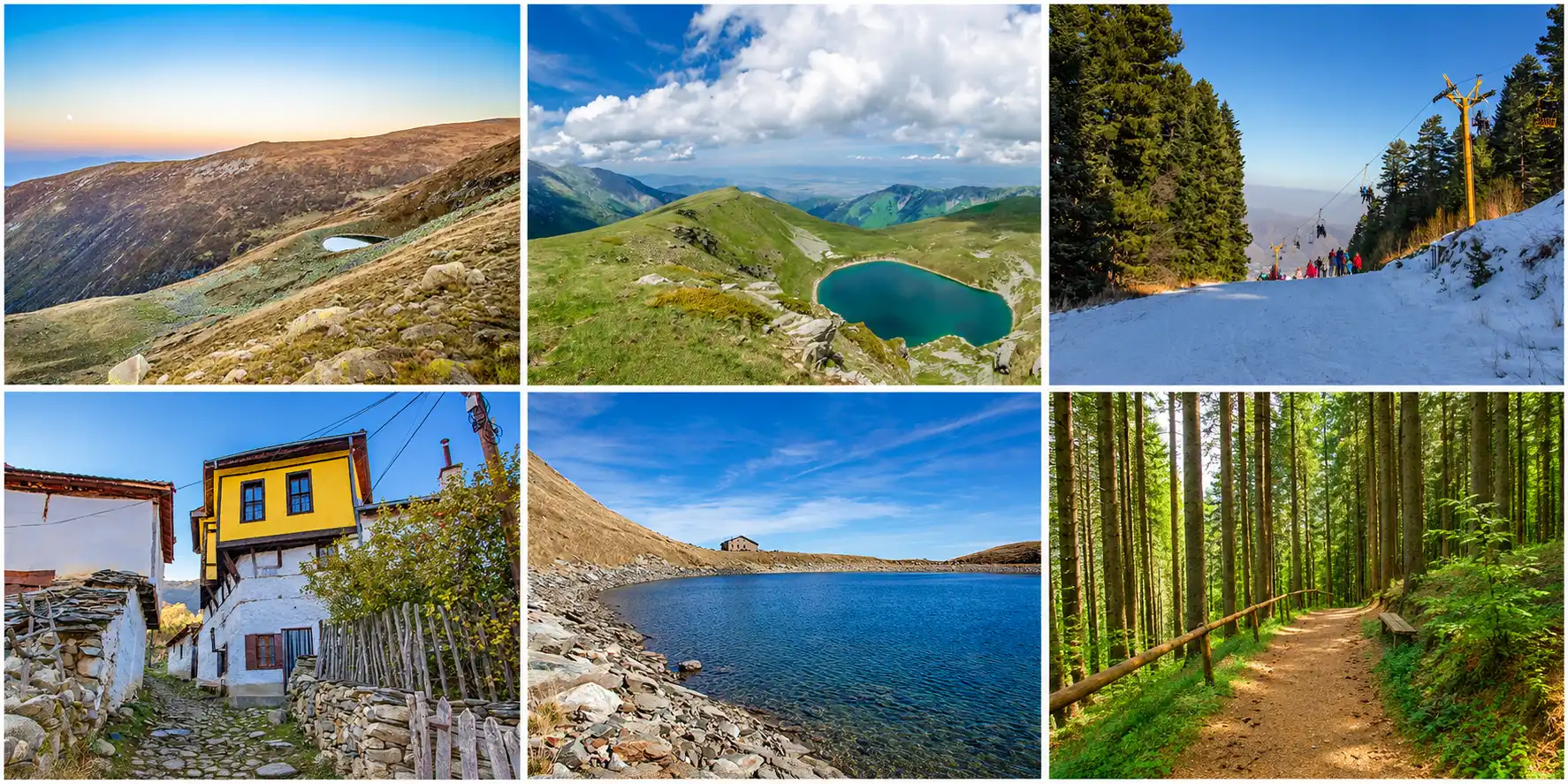
One of Pelister’s most distinctive natural treasures is the Molika pine (Pinus peuce), a rare five-needle pine species identified in 1839 by the Austrian botanist August Grisebach. These impressive forests create a unique atmosphere, with towering trees, fresh mountain air, peaceful woodland paths and beautiful views across the surrounding landscape.

Walking through the Molika forests is an experience in itself. Visitors can enjoy the tranquillity of nature, observe local plant life, listen to birdsong and discover the remarkable biodiversity that makes Pelister so important.
Nature lovers, botanists and wildlife enthusiasts will find plenty to explore, while photographers can capture the contrast between the deep green forests, rugged mountain terrain and changing colours of the seasons.

Visit the Magical Pelister Eyes
Among the park’s most celebrated attractions are its two glacial lakes, Big and Small Lake, popularly known as the Pelister Eyes.

Surrounded by dramatic mountain scenery, these lakes are among the most memorable natural sights in the park. Their high-mountain setting, distinctive glacial landscape and peaceful atmosphere make them particularly appealing to hikers, landscape photographers and visitors seeking a genuine wilderness experience.
The journey towards the lakes offers its own rewards: changing vegetation, forest trails, open mountain views and opportunities to appreciate the geological features that shaped the landscape over thousands of years.

For many visitors, reaching the Pelister Eyes is a highlight of their stay. Because mountain routes can vary in difficulty and conditions, it is advisable to check trail information and weather conditions before setting out.
There is a legend that the Pelister eyes were created from the tears of two sisters, who fell in love with the same boy – Pelister.



Hiking, Trekking and Mountaineering
Pelister is an outstanding destination for outdoor enthusiasts, with many designated excursion areas and hiking trails. Its marked routes offer opportunities to explore forested slopes, open meadows, mountain valleys, historical landmarks and spectacular viewpoints.

One of the mountain’s major attractions is Baba Peak, at 2,601 meters, the highest point of the park. For experienced hikers and mountaineers, reaching the higher elevations offers a rewarding challenge and impressive panoramic scenery.

Popular routes and experiences include:
- Children’s Trail: A nature-focused educational walk designed to introduce younger visitors to local plants, animals and the environment. Educational panels and an outdoor classroom make the experience particularly suitable for school groups and families.
- Historical Trail: Discover the remains and reconstructions associated with the First World War, including trenches, bridges, artillery positions and a former command headquarters, accompanied by informative displays.
- Stone Path Educational Trail: Explore Molika pine forests, distinctive geological formations and areas rich in plant diversity while learning about Pelister’s natural heritage.
- Archaeological Trail: Discover historical traces associated with the ancient Via Egnatia and archaeological heritage from the Iron Age and medieval periods.

- High-mountain hiking: For more adventurous visitors, mountain routes offer opportunities to experience the dramatic terrain and sweeping views of Baba Mountain.

In the Pelister National Park, 88 species of woody plants have been identified, classified into 23 families, and 91 species of birds, 35 species of mammals, 10 species of amphibians and 15 species of reptiles live.
Read more at Pelister National Park website
From leisurely walks to demanding mountain excursions, Pelister invites visitors to discover the landscape at their own pace. Route lengths, difficulty and accessibility should be confirmed locally before departure.

Enjoy the Beauty of Pelisters Meadows
Golema Livada, or the Great Meadow, is one of the park’s recognised excursion areas and a wonderful option for visitors who want to spend time outdoors without necessarily undertaking a demanding mountain climb.

Its open landscape provides a refreshing contrast to the dense forests, making it attractive for walking, relaxing, enjoying the mountain atmosphere and taking photographs. It is also a suitable setting for appreciating the relationship between Pelister’s forests, meadows and surrounding mountain environment.
For families, groups of friends and day visitors, an excursion to this area can be an excellent way to experience the park’s natural beauty.

Discover Pelister’s History and Cultural Heritage
Pelister is more than a destination for nature lovers. Its landscapes also preserve stories of human settlement, historical events, religious traditions and cultural connections that extend across centuries.
The First World War historical route provides insight into the region’s wartime past. Visitors can explore reconstructed military features and learn about the events that shaped this part of the Balkans.

The archaeological route introduces travellers to historical paths and sites associated with the Via Egnatia, an important ancient road connecting communities across the region. Nearby archaeological remains and medieval heritage add another dimension to the visitor experience.
Traditional villages, including Malovishte, offer opportunities to discover the distinctive character of rural life and the cultural identity of the surrounding region.
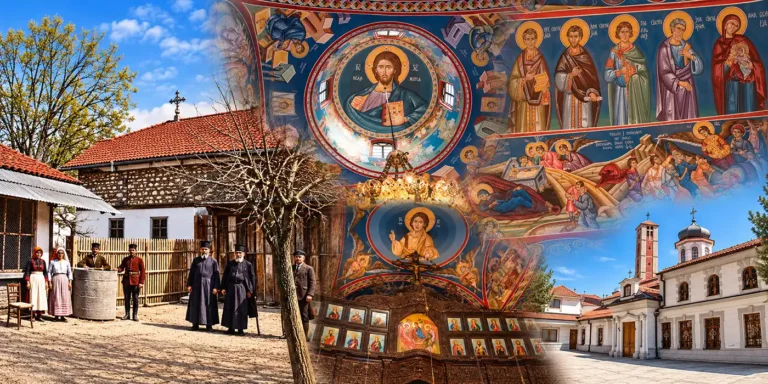
Visitors interested in religious heritage can also explore designated routes connecting sacred sites, churches and monasteries. Organized visits with knowledgeable local guides can provide deeper insight into the area’s history, architecture and traditions.
Read more:


Explore the Villages and Local Way of Life
A visit to Pelister can also be an opportunity to experience the authentic character of the surrounding countryside.
Traditional villages preserve elements of local architecture, customs and rural life. Travelling through these settlements allows visitors to appreciate the connection between the mountain environment and the communities that have lived alongside it for generations.

To make the experience even more memorable, travellers can look for opportunities to discover regional cuisine, traditional products and local hospitality. Purchasing locally made products and supporting small businesses helps contribute to the sustainable development of the area.
Combining a visit to Pelister with time in nearby Bitola (Manastır) offers an appealing mix of mountain scenery, cultural discovery and urban heritage.

Winter on Pelister: Skiing, Freeride and Mountain Scenery
When winter arrives, Pelister National Park transforms into a beautiful mountain destination, with snow-covered forests, spectacular views and crisp mountain air. It offers an inviting setting for winter sports enthusiasts, adventure seekers and visitors looking to experience the magic of the Macedonian mountains.
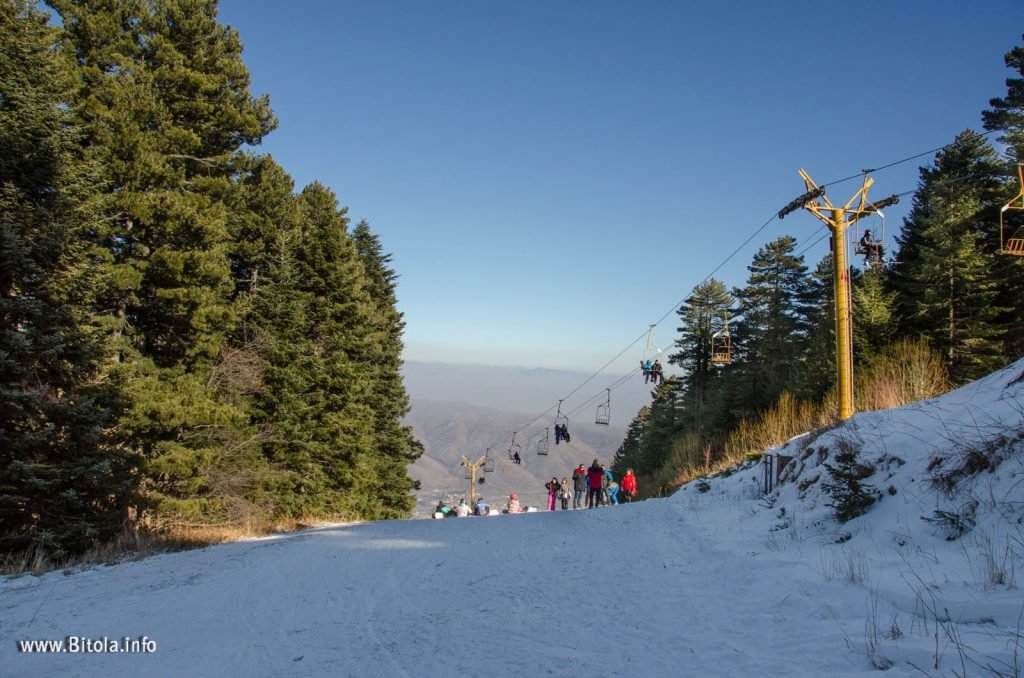
Baba Mountain is home to two ski centres: Kopanki and Niže Pole, offering opportunities to enjoy skiing and other winter activities, depending on snow conditions and the availability of facilities. Both areas provide a wonderful way to experience the mountain’s winter scenery and enjoy an active day outdoors.
For those seeking a more adventurous experience, freeride skiing is also available on Pelister, offering the opportunity to explore the excitement of skiing beyond prepared slopes when conditions and terrain permit.
Beyond skiing, visitors can enjoy snow-covered forest landscapes, winter walks and photography, capturing Pelister’s unique beauty during the colder months.
To make the most of a winter visit, tourists are advised to check current snow conditions, the operational status of both ski centres, ski lifts and slopes, and road accessibility before travelling. Appropriate winter equipment and attention to mountain safety are essential for an enjoyable experience.
Nature Photography, Birdwatching and Wildlife Observation
Pelister offers excellent inspiration for photography throughout the year. Its combination of Molika forests, glacial lakes, mountain peaks, stone rivers, waterfalls, meadows and seasonal colours creates diverse subjects for both amateur and experienced photographers.

Early mornings and changing weather can reveal different moods of the mountain, from mist drifting through the forest to sunlight illuminating the higher slopes.
Birdwatching, observing local wildlife and exploring plant diversity are also appealing ways to experience the park.
Visitors should remain at a respectful distance from wildlife, avoid disturbing animals and never remove plants or other natural objects from protected areas.
For those with a special interest in ecology, Pelister Info center offers opportunities to learn about endemic species, mountain habitats and the importance of conserving fragile ecosystems.
Relaxation, Wellness and Time in Nature
Not every visit needs to be an adventure. Pelister is equally suited to travellers who want to slow down, breathe fresh mountain air and enjoy a peaceful natural environment.
Gentle walks beneath the forest canopy, quiet moments in designated recreation areas, nature observation and photography can all provide a restorative escape from everyday routines.

Visitors interested in wellness may also choose to practise yoga or mindfulness in appropriate outdoor settings, provided they respect other visitors and the natural environment. The surrounding area may offer additional wellness services, although specific facilities and programmes should be checked in advance.
The combination of mountain scenery, quiet forests and open landscapes makes Pelister an appealing destination for anyone seeking relaxation alongside outdoor exploration.
Pelister (2601 m above sea level) is the highest peak of the Baba Mountain and the third highest peak in Macedonia. Pelister is often used as a name for Baba Mountain, and is also synonymous with the city of Bitola.
Family-Friendly Excursions and Educational Tourism
Pelister can be an excellent destination for families, school trips and organised educational groups.
The Children’s Trail is particularly valuable because it combines outdoor activity with environmental education. Informational panels introduce young visitors to local flora and fauna, while the outdoor classroom creates opportunities for learning directly in nature.

Families can plan a day around walking, observing plants and landscapes, photography and spending time in designated recreation areas. Choosing a suitable trail and checking the needs of younger children are important parts of planning a comfortable visit.
Organised educational excursions can also incorporate the park’s natural history, geology, cultural heritage and conservation priorities, helping visitors understand why protected areas matter.
The Best Time to Visit Pelister
Spring brings renewed greenery, fresh mountain air and opportunities to explore lower-elevation trails. Weather can be changeable, especially at higher altitudes.
Summer is ideal for many hiking excursions, nature photography, mountain scenery and exploring the park’s glacial lakes. Higher mountain routes still require appropriate equipment and preparation.
Autumn offers beautiful forest colours and atmospheric landscapes. It is also a popular period for outdoor excursions and seasonal nature experiences.
Winter provides opportunities to enjoy snowy scenery and winter recreation when weather and facilities permit. Mountain conditions can be demanding, so visitors should plan carefully.
Each season reveals a different side of Pelister. The best time for an individual activity depends on weather, trail conditions, elevation and the operating status of relevant facilities.
Responsible Tourism: Protecting Pelister for the Future
Pelister’s greatest attraction is its natural and cultural richness. Protecting these resources is essential to ensuring that future generations can enjoy the same landscapes and experiences.

Visitors can help preserve the park by following marked trails, taking rubbish with them, respecting wildlife, avoiding damage to plants and geological formations, and observing restrictions in protected zones.
Responsible travel also means respecting local communities, supporting regional businesses and choosing activities that minimise environmental impact.

By travelling thoughtfully, visitors contribute to the long-term protection of Pelister while helping local communities benefit from tourism.
Experience the Spirit of Pelister
Pelister National Park is a destination where every journey offers a new discovery. Walk beneath the distinctive Molika pines, admire the famous Pelister Eyes, follow trails through forests and meadows, discover historical landmarks, experience traditional villages and enjoy the changing beauty of the mountain through the seasons.
Whether you arrive for a short excursion, a family outing, a challenging hike, a winter adventure or a longer stay surrounded by nature, Pelister offers a memorable introduction to the natural and cultural treasures of Macedonia.
Come to Pelister to explore, breathe, discover and reconnect with nature. The mountain is waiting to be experienced.
Pelister National Park – Information Centre
The Pelister National Park Information Centre is an important point of contact for visitors planning to explore the park.

It provides useful information about the park’s natural attractions, hiking trails, recreational activities, visitor regulations and available tourist services. Visitors can enquire about visit permits, access requirements, guided tours, trail conditions and other important information before starting their adventure. The Information Centre is also a valuable resource for learning about the park’s biodiversity, protected areas and responsible tourism practices. For the latest information on access, permits, weather-related restrictions and available activities, visitors are encouraged to contact the institution before their visit.
More info:
- Pelister Info Center
- Website
- Email: np.pelister@yahoo.com
- Facebook…
- Phone: +389 47 233 464 | Fax: +38947 233 668
- Info center : +389 47 237 010
Don’t miss: